
Two Hours by Bus from Seoul — the Korea Most Visitors Never See
Sokcho travel · Sokcho Hangari Mulhoe
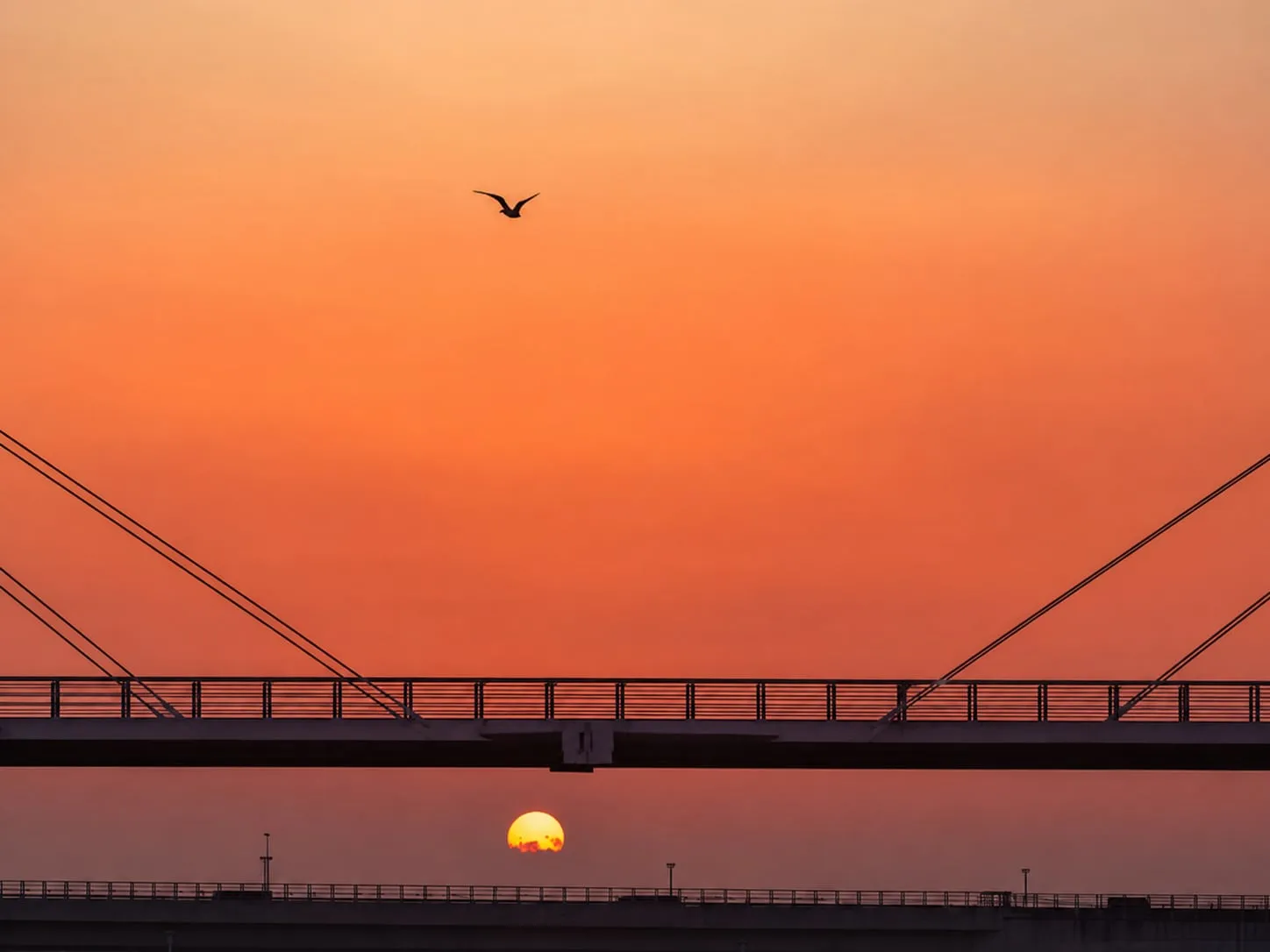
Most first trips to Korea look the same. Three or four days in Seoul, then Busan or Jeju if there’s time. Ask what comes after that and most people trail off.
I was born and raised in Sokcho and still run a mulhoe restaurant on the beach here. So I end up saying this a lot: “Two hours on a bus from Seoul and you get a completely different Korea.”
That isn’t sales talk. Sokcho has things Seoul simply cannot show you. A national park of granite peaks, the East Sea, a harbour where boats come in before dawn — and an observatory where, on a clear day, you can see North Korea with your own eyes.
This is written for anyone thinking, “I want to see more of Korea, but where?”
1. The express bus is an experience in itself
Start with getting here. From Seoul Express Bus Terminal in Gangnam it takes 2 hours 10 minutes to 2 hours 30 minutes.
And the bus itself is better than you expect.
Korean express buses are roomy. The “udeung” class has only three seats across, so nobody is pressed against you, and the seats recline deeply. Think business-class legroom for a fraction of an airfare.
The window is part of it. Once you clear Seoul the mountains take over, and after a few long tunnels the view suddenly opens and the sea appears below the ridgeline. Take a right-hand window seat for that moment.
There’s one rest-stop break on the way. Korean motorway rest stops are attractions in their own right — walnut cakes, fish-cake skewers, instant ramyeon counters. You get around 15 minutes. Use the toilets, buy a snack. Visitors tell us this is one of the best parts.
Booking — kobus.co.kr has English. There’s an app too. Reserve ahead on weekends and in peak season. Full details in getting from Seoul to Sokcho.
Remember one thing: Sokcho has two bus terminals. Buses from Gangnam arrive at Sokcho Express Bus Terminal, which is right by the beach. Buses from Dong Seoul arrive at the intercity terminal, in town. If your destination is the sea, take the Gangnam bus.
2. You step off the bus and you’re at the sea
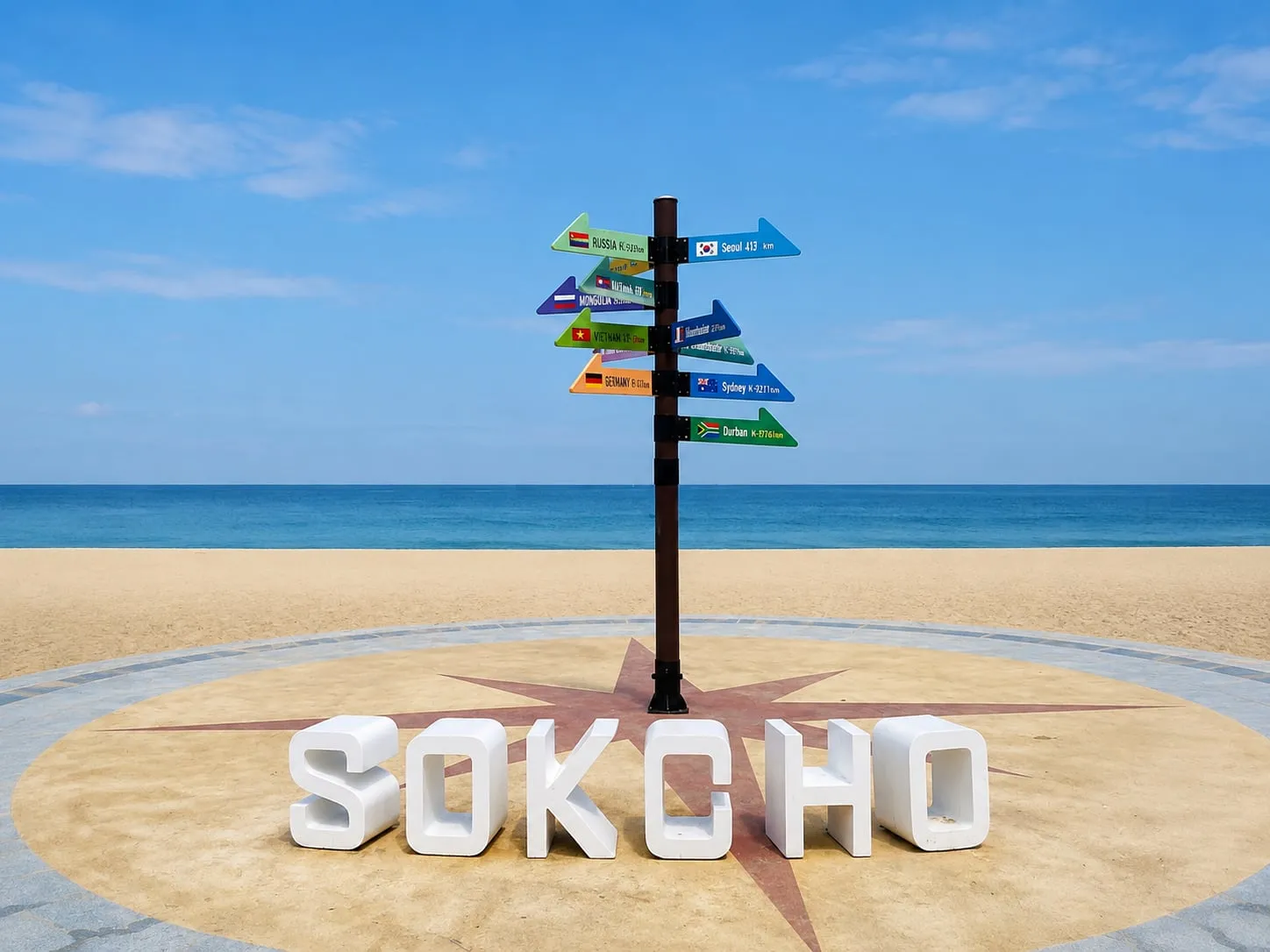
From Sokcho Express Bus Terminal the sand is a three-minute walk. No hunting for a taxi with your luggage. You just walk out and there it is.
That is Sokcho’s biggest advantage. Everything a traveller needs is within a five-minute walk — the beach, the ferris wheel, restaurants, hotels and the bus terminal.
Take a morning bus from Seoul and you’ll be eating lunch by the water. You can be swimming that same afternoon. This kind of compressed travel is possible because Korea is a small country.
3. The harbour at dawn — a working village, not a set
Here’s where it gets real.
Before it was a holiday town, Sokcho was a fishing port. Boats come in around four or five in the morning, the auction hall lights up, and bidding starts. People in rubber boots shouting, prices settled with hand signals.
You cannot see this in Seoul. It isn’t staged for visitors; it’s simply where people work. Step out early once and it may be the most memorable thirty minutes of your trip.
I grew up in this neighbourhood. A good number of my school friends and the older and younger guys from my block still go out to sea. So when something good lands, our kitchen gets the first call. I’ve written about that in a Sokcho local and his fisherman friends.
Why this matters to a traveller: the freshness of the seafood you eat in Sokcho comes out of that structure. Fewer steps between the boat and the plate changes the taste. No amount of cooking skill substitutes for it.
4. Mulhoe — an east-coast food most Koreans don’t know well either
If you come to Sokcho, eat mulhoe at least once.
It’s raw fish in an ice-cold, sweet-and-tangy broth, and when I explain it to foreign guests the reaction is usually the same. “Cold fish soup? So not sushi, and not ceviche either?”
Correct — neither. This exists only on Korea’s east coast.
It began on the boats. Crews who couldn’t use fire would slice the catch into a bowl, stir in gochujang, pour cold water and drink it. Fast, cold, and edible with one hand while the other kept working. The whole story is in what is mulhoe.
There’s an order to eating it, too. Taste the fish first, then pour the broth, add noodles at halftime, finish with rice. One bowl, three different meals. If it’s your first time, how to eat mulhoe will make it noticeably better.
Beyond mulhoe there’s stuffed squid (not spicy — children love it), seopguk mussel soup and dakgangjeong fried chicken. See what to eat in Sokcho.
5. Seoraksan — no hiking boots required
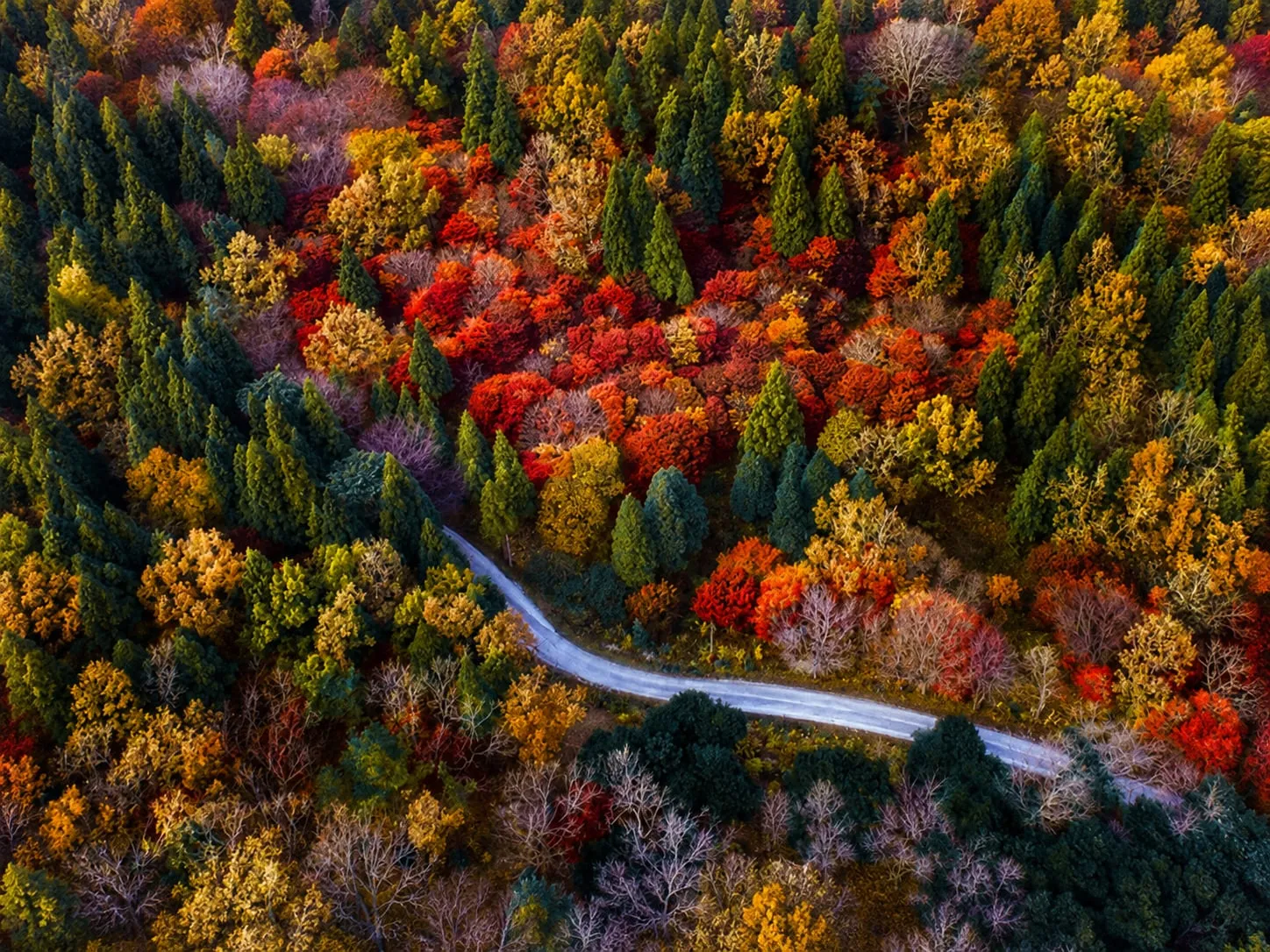
Twenty minutes by car from the beach is Seoraksan National Park. Few cities anywhere put a great mountain and the sea this close together.
“But I can’t hike” — that’s fine. The cable car carries you to mid-mountain in ten minutes. The granite spires below you, and in autumn the ridges turned red and gold, do not fit in a photograph.
- The cable car takes no reservations, same-day sales only. The tactics are in our Seoraksan cable car guide.
- Coming in autumn? Read the foliage guide too. Mid-October is peak.
If you’d like to walk, the Biryong Falls route is the one — three hours round trip along a stream, never dull.
6. The Unification Observatory — where you can see North Korea
And this is what sets Sokcho apart from anywhere else you’ll go.
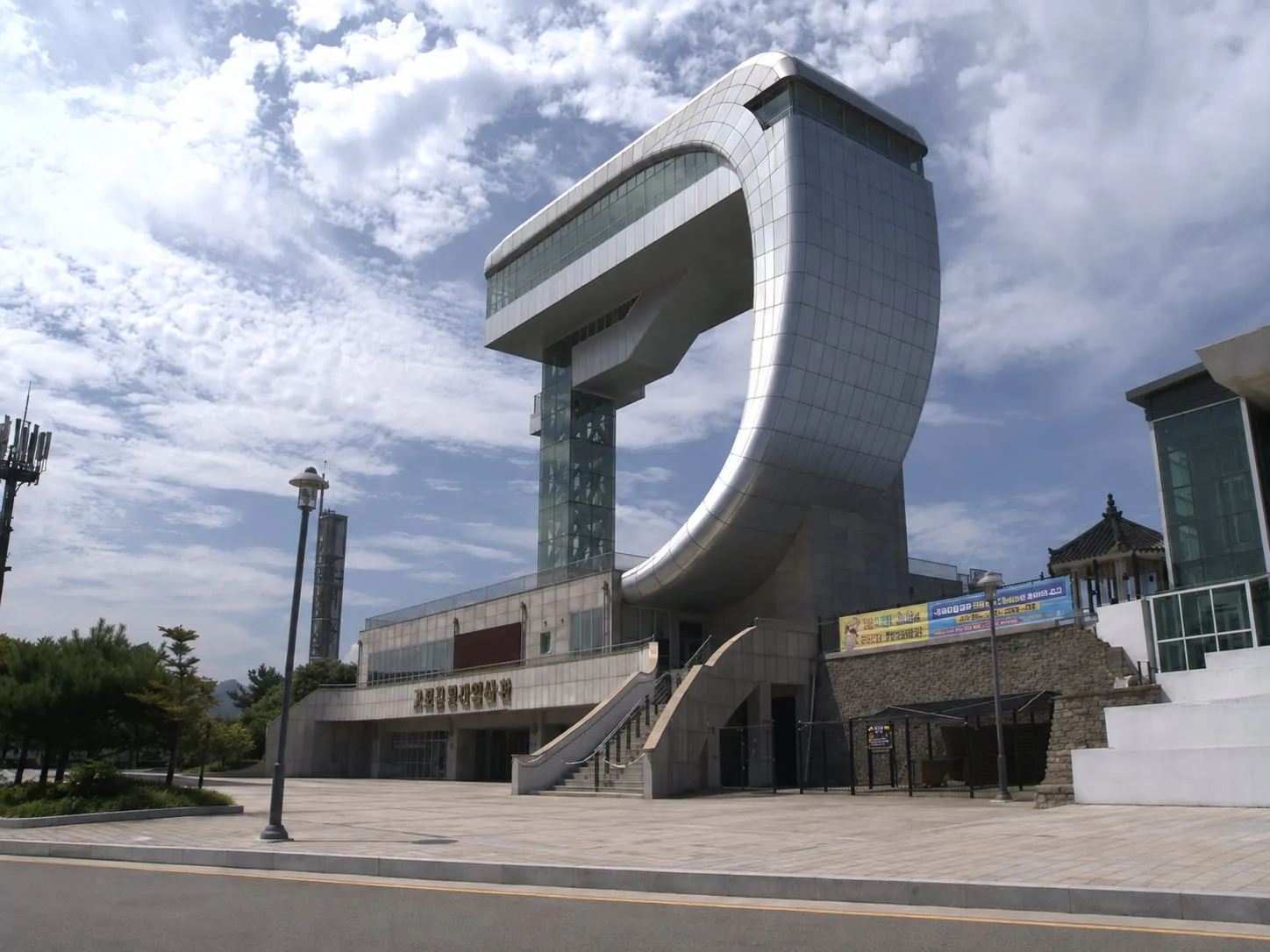
About 50 minutes north of Sokcho, at the very top of Goseong County, stands the Unification Observatory. You can see the North Korean coastline without binoculars, and on a clear day the foothills of Mount Kumgang.
Korea has several DMZ tours, but most run to Panmunjom or Imjingak near Seoul. This one is different: the northernmost observatory on the coast. Waves break beyond the wire fence, and that same shoreline simply continues north.
What you must know before going
This is inside the Civilian Control Line, so you cannot simply drive up.
- You must first stop at the entry office at Unification Security Park, fill in an entry form and receive approval. Bring photo ID — a passport for foreign visitors.
- Walking, cycling and motorcycles are not permitted. You must go by car. Without a rental, take a taxi or a local tour.
- Admission is around 3,000 KRW for adults, plus about 5,000 KRW for parking.
- Access hours are 09:00–16:50 (to 17:30 in summer, 15:50 in winter), and you must reach the entry office before the cut-off.
- Access can be suspended depending on the situation, so call +82-33-682-0088 before setting out.
The full entry procedure, fees and what you can actually see are covered in our complete guide to the Goseong Unification Observatory.
It sounds like a lot of procedure — but the procedure itself tells you where you are. Seeing a divided country with your own eyes, rather than reading about it, is not something most Korea trips offer.
7. What it means to be the port closest to the North
Sokcho became the town it is because of that division.
During the Korean War, families fleeing south stopped at this harbour thinking they’d soon go home. Then the armistice line was drawn, they couldn’t return, and this became home. The village that grew from that is Abai Village.
The gaetbae still runs there — an engineless ferry pulled across by hand. Visitors can pull the rope themselves, which is always the children’s favourite moment.
And this village is where abai sundae and ojingeo sundae (stuffed squid) were born: northern food rebuilt from southern ingredients. The food of Sokcho carries the history of displaced families inside it.
Twice a year our restaurant invites around 300 elderly residents of Abai Village for a meal. A house that lives off the Sokcho sea doing something for Sokcho just seems obvious to us.
8. Three days is enough
Put it all together and it looks like this.
Day 1 — arrival and the sea Morning bus from Seoul → mulhoe by the water for lunch → Sokcho Beach and the ferris wheel → evening at Abai Village and the gaetbae
Day 2 — the mountain Early start for Seoraksan → cable car or Biryong Falls → late afternoon walk on the Oeongchi coastal boardwalk → evening at Sokcho Tourist & Fishery Market
Day 3 — the northern edge Morning at the Unification Observatory (car required) → late lunch at the harbour on the way back → afternoon bus to Seoul
With one more day, add the dawn harbour. Go out at 5 a.m., eat breakfast, sleep again. For a shorter trip see the 1-night-2-days itinerary, and for the sights, top 10 things to do in Sokcho.
9. Practical notes for foreign travellers
- Language — this site is in 13 languages, and our table ordering tablets are multilingual. With no Korean at all you can order from the screen.
- Cash — cards work nearly everywhere. Some traditional market stalls are cash-only, so carry a little.
- Transport — buses and taxis cover the town. Only the Unification Observatory genuinely requires a car.
- Where to stay — staying by the beach lets you do everything on foot. See where to stay in Sokcho.
- Seasons — summer for swimming, autumn for foliage, winter for a snow-covered Seoraksan and an empty shoreline. Honestly, all four are different trips.
Why I recommend Sokcho
Seoul is a great city. But if Seoul is all you see, you leave without meeting Korea’s nature, its coastal working life, or the reality of a divided country.
In Sokcho all three sit within a 50 km radius. And it’s two hours by bus from Seoul.
Our restaurant is directly in front of Sokcho Beach, a three-minute walk from the express bus terminal. Come straight from the bus with your suitcase — we’ll hold it for a while. Starting the trip with a bowl of icy mulhoe changes the whole day.
After eating, go up to the Sky Stairs viewpoint on our top floor. The sea and the ferris wheel fit in one frame, and it’s free for diners.
See the menu · Directions · FAQ
See you in Sokcho.
You may also like